
What Businesses Should Know About Commercial Gas Piping Systems
People searching for commercial gas piping installation are usually looking to ensure safe, compliant systems; local contractors can expertly handle the installation and maintenance needed.
Understanding the essentials of commercial gas piping systems is an important step for property owners looking to ensure safety, efficiency, and compliance in their business spaces. Whether operating a restaurant, manufacturing facility, or retail location, having reliable and properly installed gas piping can impact daily operations and long-term planning. Property owners in the area might explore this topic to better grasp the importance of quality installation and ongoing maintenance, helping them make informed decisions about their infrastructure needs. Local contractors who specialize in commercial gas piping installation can provide the expertise necessary to navigate these considerations, ensuring systems are set up correctly and meet all relevant standards.
Keeping informed about what businesses should know about commercial gas piping systems can also highlight the benefits of working with experienced service providers. Properly installed gas piping not only supports safe and efficient operation but can also prevent costly issues down the line. Property owners are encouraged to explore how local service providers can assist with installation, upgrades, or repairs, giving them confidence in their infrastructure. Continued reading can help uncover practical insights and connect with trusted professionals who can handle the complexities of commercial gas piping systems effectively.
- Commercial gas piping installation - businesses needing new gas lines for kitchen equipment or heating systems can rely on local contractors to handle the complex installation process safely and efficiently.
- Gas line upgrades and repairs - when existing commercial gas piping shows signs of leaks or damage, local service providers can assess and perform necessary repairs to ensure continued safe operation.
- System inspections and code compliance - companies aiming to meet safety regulations can work with local pros to conduct thorough inspections and ensure their gas piping systems adhere to current standards.
- Design and planning of gas piping layouts - new businesses or those expanding can benefit from local experts who design efficient gas piping systems tailored to their specific operational needs.
- Emergency gas piping services - in case of urgent issues like leaks or system failures, local contractors offer prompt response to restore safe and reliable gas supply for commercial operations.
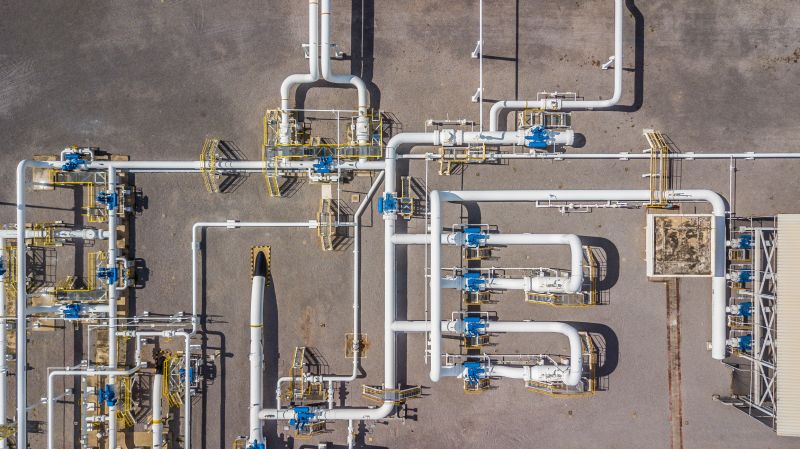
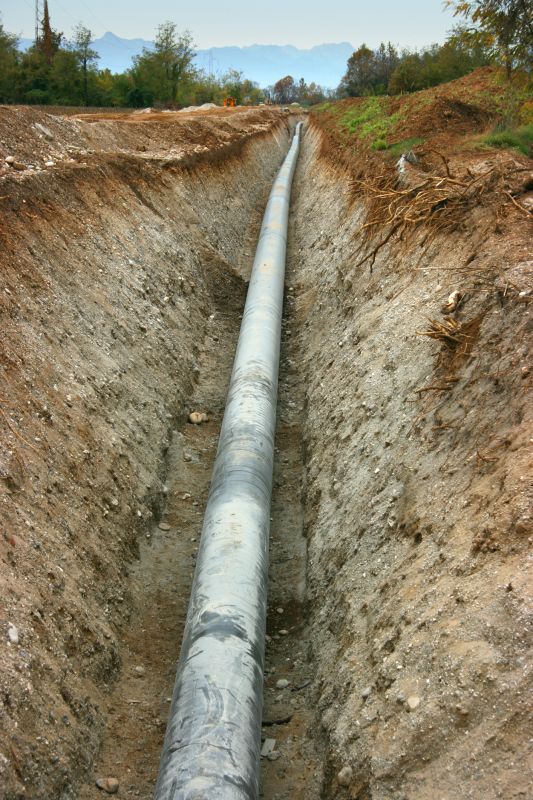
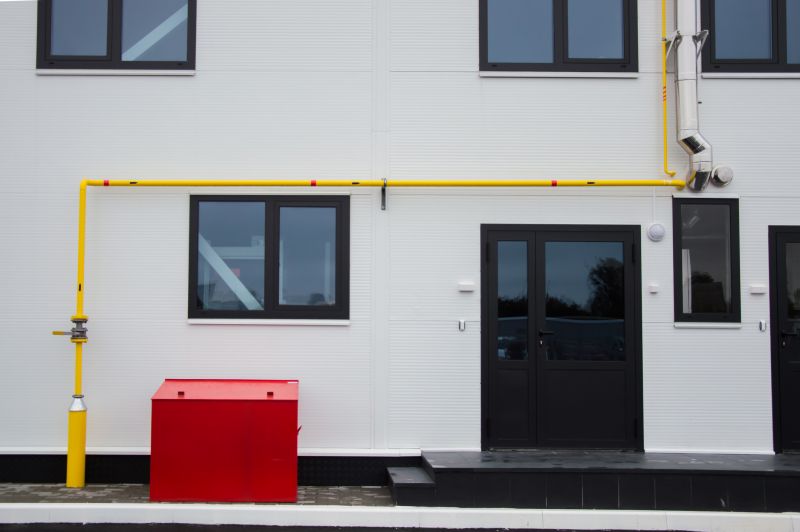
Understanding what businesses should know about commercial gas piping systems is essential for anyone involved in managing or operating commercial properties. These systems are responsible for safely delivering natural gas or propane to various appliances, such as heating units, cooking equipment, and industrial machinery. When searching for this topic, many people are typically looking for information on how gas piping works in a commercial setting, the safety considerations involved, or how to plan for installation or upgrades. Recognizing the importance of proper design and installation can help prevent costly problems like leaks, outages, or regulatory issues that could disrupt daily operations.
Commercial gas piping systems are often linked to specific problems or project plans. For example, a business might need to upgrade an outdated system to meet new safety standards or expand capacity to accommodate additional equipment. Other common scenarios include replacing old pipes that have corroded or damaged, rerouting piping during renovations, or installing new systems in a building that previously did not have gas service. These projects require careful planning and execution to ensure safety, compliance, and efficient operation. Local service providers with experience in commercial gas piping can assess existing systems, recommend suitable solutions, and handle the installation or repair work needed to keep operations running smoothly.
The types of properties that typically involve commercial gas piping systems include restaurants, hotels, manufacturing facilities, and large retail stores. These properties often rely heavily on gas-powered equipment for cooking, heating, or industrial processes. In addition, office buildings with centralized heating systems or medical facilities with specialized gas needs also require well-designed piping networks. Each property type presents unique challenges and requirements, which makes working with experienced local contractors important. These professionals understand the specific codes and standards applicable to different property types and can ensure the gas piping system is installed correctly and safely, minimizing the risk of issues down the line.
For property owners and managers, understanding how commercial gas piping systems connect to real projects is crucial. Whether planning a new installation, upgrading an existing system, or troubleshooting issues, knowing what to expect from local contractors can make the process smoother. These service providers can evaluate the property’s needs, recommend appropriate piping solutions, and handle the installation or repair work with safety and efficiency in mind. By working with experienced local pros, businesses can ensure their gas systems operate reliably, meet all safety standards, and support their operational goals effectively.
Commercial Plumbing Projects - These projects often require knowledge of piping systems, including the installation and repair of gas lines, making them relevant to commercial gas piping systems. Local contractors experienced in plumbing can handle both water and gas piping needs efficiently.
Industrial Piping Installations - Industrial facilities frequently involve complex piping networks similar to commercial gas systems, requiring planning and precise installation skills. Service providers with industrial piping expertise can ensure safe and compliant setups.
HVAC System Installations - HVAC projects sometimes include gas line connections for heating equipment, which overlap with the skills needed for commercial gas piping. Local pros can coordinate these installations to meet safety standards.
Fire Suppression System Setup - Fire suppression systems may require specialized piping, including gas-based systems like clean agent suppression, sharing planning and installation skills with commercial gas piping. Professionals can ensure proper integration and safety.
Building Renovation and Retrofit Projects - Upgrading or retrofitting commercial buildings often involves updating gas piping systems alongside other mechanical systems. Experienced contractors can manage these integrated projects effectively.
Utility Infrastructure Projects - Large-scale utility work involving gas distribution networks shares planning, safety considerations, and piping installation techniques with commercial gas piping systems. Local service providers can handle these complex projects efficiently.
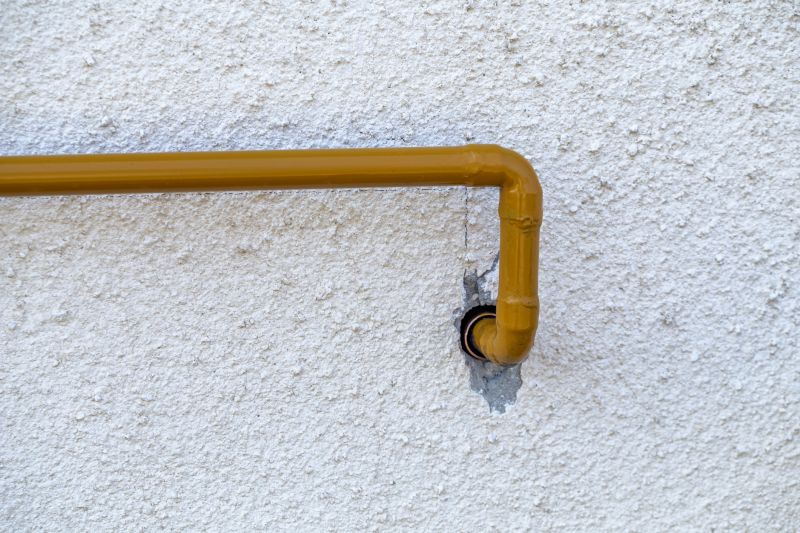
When evaluating service providers for commercial gas piping installation, it’s essential to consider their experience with similar projects. Local contractors who have a proven track record handling commercial gas piping systems can offer insights into the complexities involved and demonstrate familiarity with building codes and safety standards specific to your business type. Asking about previous projects that align with your needs can help gauge their expertise and confidence in managing the scope of work required for your facility.
Clear, written expectations are also crucial when comparing local service providers. A detailed scope of work, including materials, installation procedures, and project milestones, helps ensure there are no misunderstandings about what the job entails. Reputable contractors often provide comprehensive proposals or agreements that outline these details, allowing business owners to review and confirm that the scope aligns with their requirements. This clarity can prevent surprises and facilitate smoother project execution.
Effective communication and reputable references are key indicators of a reliable service provider. Contractors who are transparent about their processes and willing to share references from past clients demonstrate professionalism and accountability. Connecting with previous customers can provide insights into the contractor’s reliability, quality of work, and responsiveness. Good communication throughout the project ensures that questions are addressed promptly and that any issues are resolved efficiently, contributing to a successful installation process for commercial gas piping systems.
Property owners often search for what businesses should know about commercial gas piping systems when they are planning practical projects around their homes and businesses. Local pros provide Commercial Gas Piping Installation services for everyday jobs and straightforward project options.
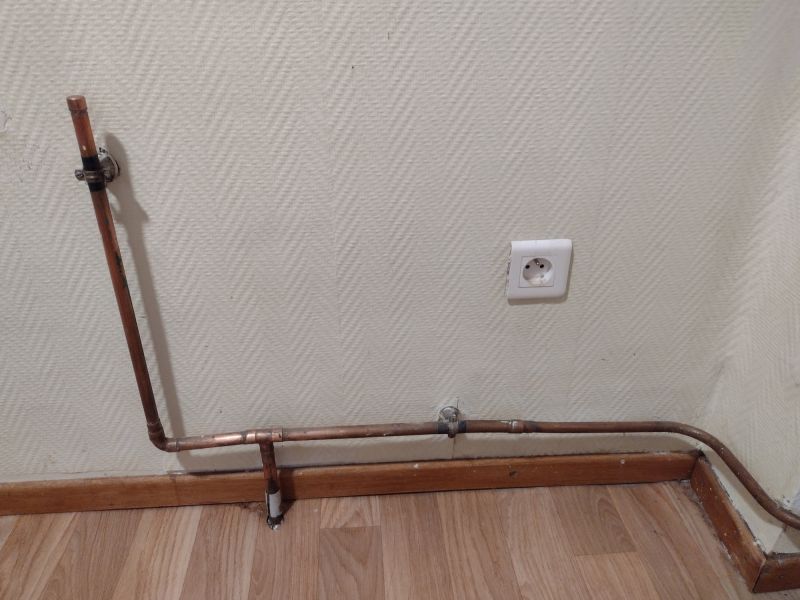
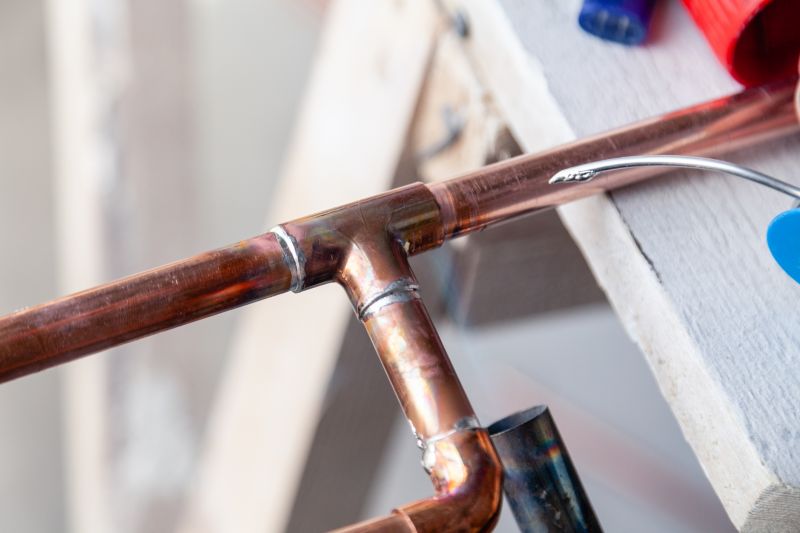
Understanding the essentials of commercial gas piping systems is important for property owners managing business spaces that rely on natural gas or propane for daily operations. Whether setting up a new restaurant, updating an existing commercial kitchen, or installing heating systems in a retail store, the proper installation and maintenance of gas piping can impact safety, efficiency, and compliance. Many property owners find themselves researching this topic when planning renovations or upgrades, seeking reliable local contractors who specialize in commercial gas piping installation to ensure the system meets all necessary standards and functions smoothly.
In everyday project situations, property owners might look into commercial gas piping services to address issues like outdated infrastructure, potential leaks, or the need for expanded capacity. Choosing experienced local service providers can help ensure the piping system is installed correctly and safely, minimizing disruptions to business operations. Connecting with skilled contractors who understand the specific requirements of commercial gas systems can also provide peace of mind, knowing that the setup adheres to local codes and best practices, supporting the ongoing safety and efficiency of a business’s operations.
What are the key considerations for installing commercial gas piping systems? Businesses should ensure proper planning for gas flow requirements, adherence to safety standards, and compatibility with existing infrastructure. Consulting with experienced contractors can help identify suitable materials and design best practices for reliable operation.
Why is professional installation important for commercial gas piping systems? Professional installation helps ensure compliance with safety regulations, reduces the risk of leaks or failures, and guarantees that the system operates efficiently. Skilled local contractors have the expertise to handle complex piping layouts and connections safely.
What types of materials are commonly used in commercial gas piping systems? Common materials include steel, copper, and flexible piping options, each selected based on the building’s needs and gas type. Local service providers can recommend the most appropriate materials for durability and safety.
How do local contractors ensure the safety of commercial gas piping systems? They follow established codes and standards, perform thorough inspections during installation, and use quality materials to minimize hazards. Proper testing and verification are also essential steps in the process.
What maintenance is required for commercial gas piping systems? Regular inspections and leak detection checks are important to maintain safety and efficiency. Engaging experienced service providers can help identify potential issues before they become serious problems.
Understanding system requirements - property owners should learn about the specific gas piping needs of their business to ensure proper installation with local contractors.
Planning for future expansion - considering potential growth helps in designing gas piping systems that can accommodate additional appliances or equipment later.
Ensuring code compliance - knowing the relevant building and safety codes allows property owners to work with service providers who adhere to legal standards during installation.
Prioritizing safety features - integrating safety devices and proper shut-off valves in the piping system can prevent hazards and ensure reliable operation with help from local specialists.
If you are thinking about what businesses should know about commercial gas piping systems for a property, this guide is meant to help you understand this topic, the typical project types, and how different options might fit your plans.
When you are ready, you can use the quote form on this page to share a few details about your project. From there, local pros can review the basics and follow up with options that match what you have in mind.